
Why the Dynamynd® Levels of Human Effort Matter for Building High-Performing Teams
And why team members should operate at Level 3—and leaders at Level 4—in all three parts of the mind
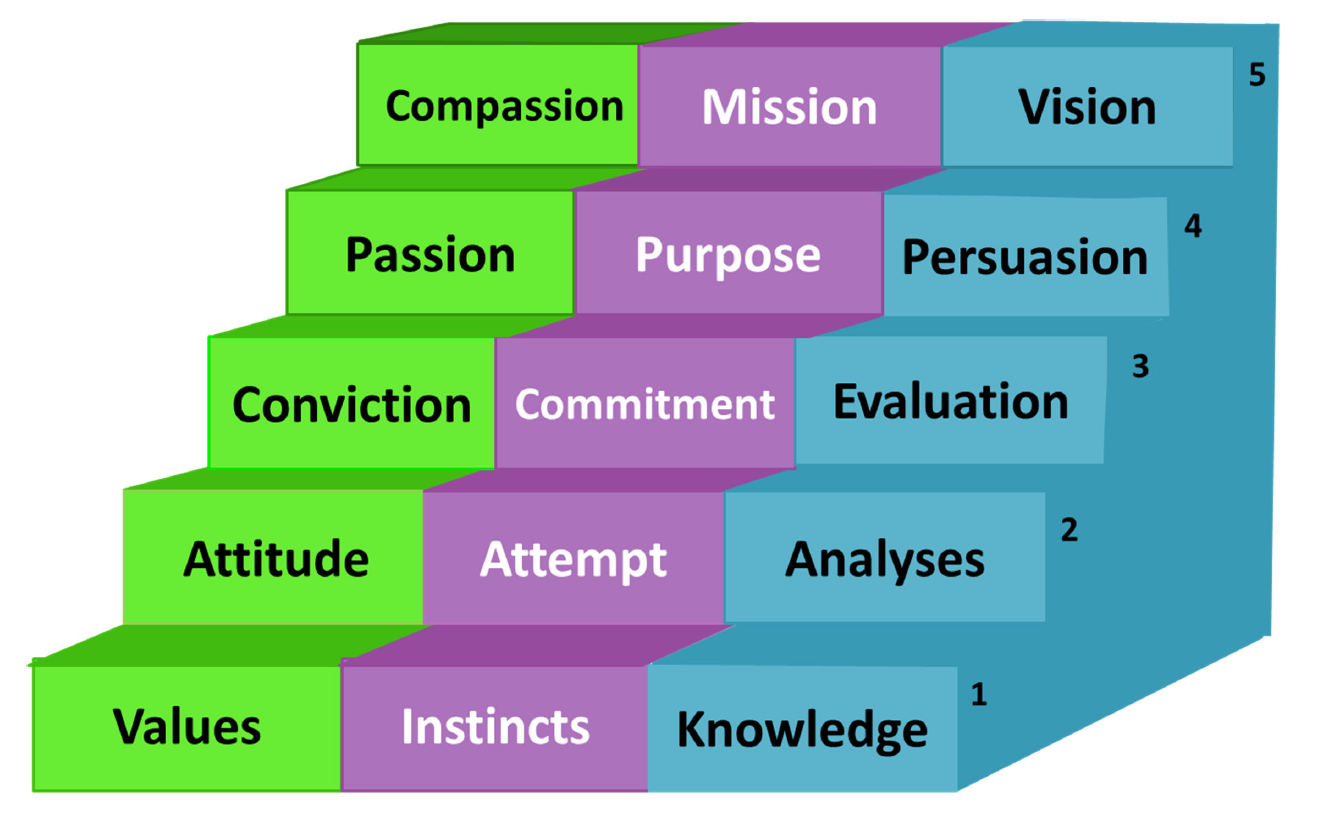
Organizations today face an unprecedented pace of change. The difference between teams that thrive and teams that merely cope isn’t just skill, attitude, or experience—it’s the level of human effort each person brings to the workplace.
The Dynamynd® / Kolbe Hierarchy of Human Effort gives leaders a powerful lens for understanding how individuals function cognitively, affectively, and conatively—and how these levels directly impact team performance, culture, and leadership effectiveness.
This framework reveals a simple truth:
Sustainable success requires people who operate at higher levels of intention, awareness, self-control, and purpose across all three parts of the mind.
Teams thrive when members function at least at Level 3.
Leaders and managers must consistently demonstrate Level 4 behaviors.
Let’s explore why.
The Three Parts of the Mind—And Why Levels Matter
According to the Kolbe framework, every person has three distinct mental domains:
Cognitive — thinking, knowledge, discernment
Affective — attitudes, preferences, values
Conative — instinctive action, natural drive (your MO®)
People begin at Level 1 in each domain: awareness—basic knowledge, preferences, and instincts.
But growth is not automatic. Moving up the levels requires conscious development:
Level Description '
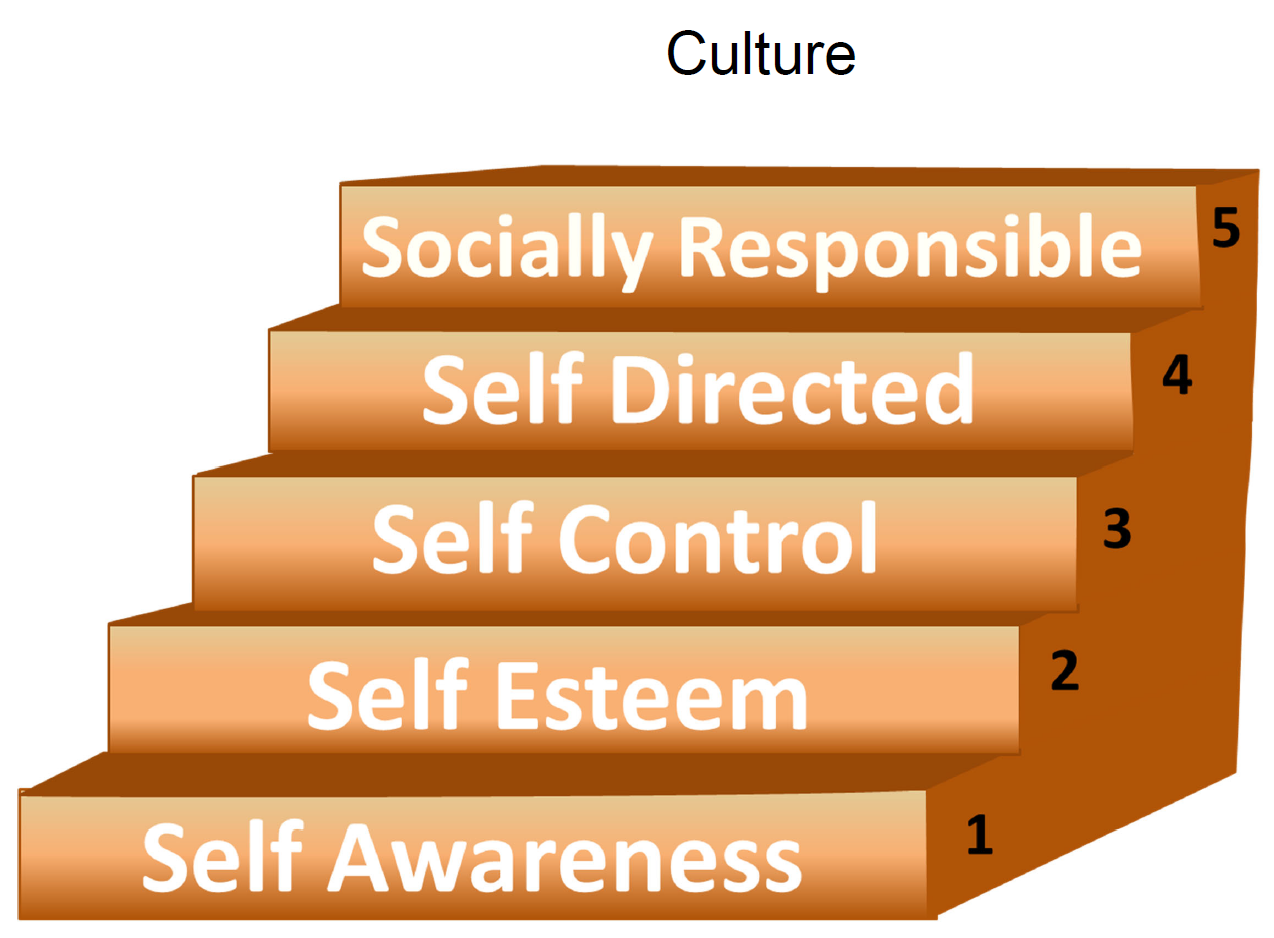
1 — Self-Awareness “What I know, feel, and naturally do”
2 — Self-Esteem Behaviors “I see my abilities and express them”
3 — Self-Control Behaviors “I commit, evaluate, and self-regulate”
4 — Authenticity “I act with purpose, passion, and persuasion”
5 — Social Responsibility “I serve a mission beyond myself”
NOTE: These levels correlate directly with Dynamynd hiring and interviewing expectations. The RightFit Interview Guide worksheets in the interview packet explicitly evaluate whether a candidate demonstrates Level 1, 2, or 3 behaviors—and higher-level questions (L4 and L5) are reserved for leadership or mission-critical roles.
Why Teams Need People Operating at Level 3 in All Three Parts of the Mind
Level 3 is the threshold of reliability and contribution.
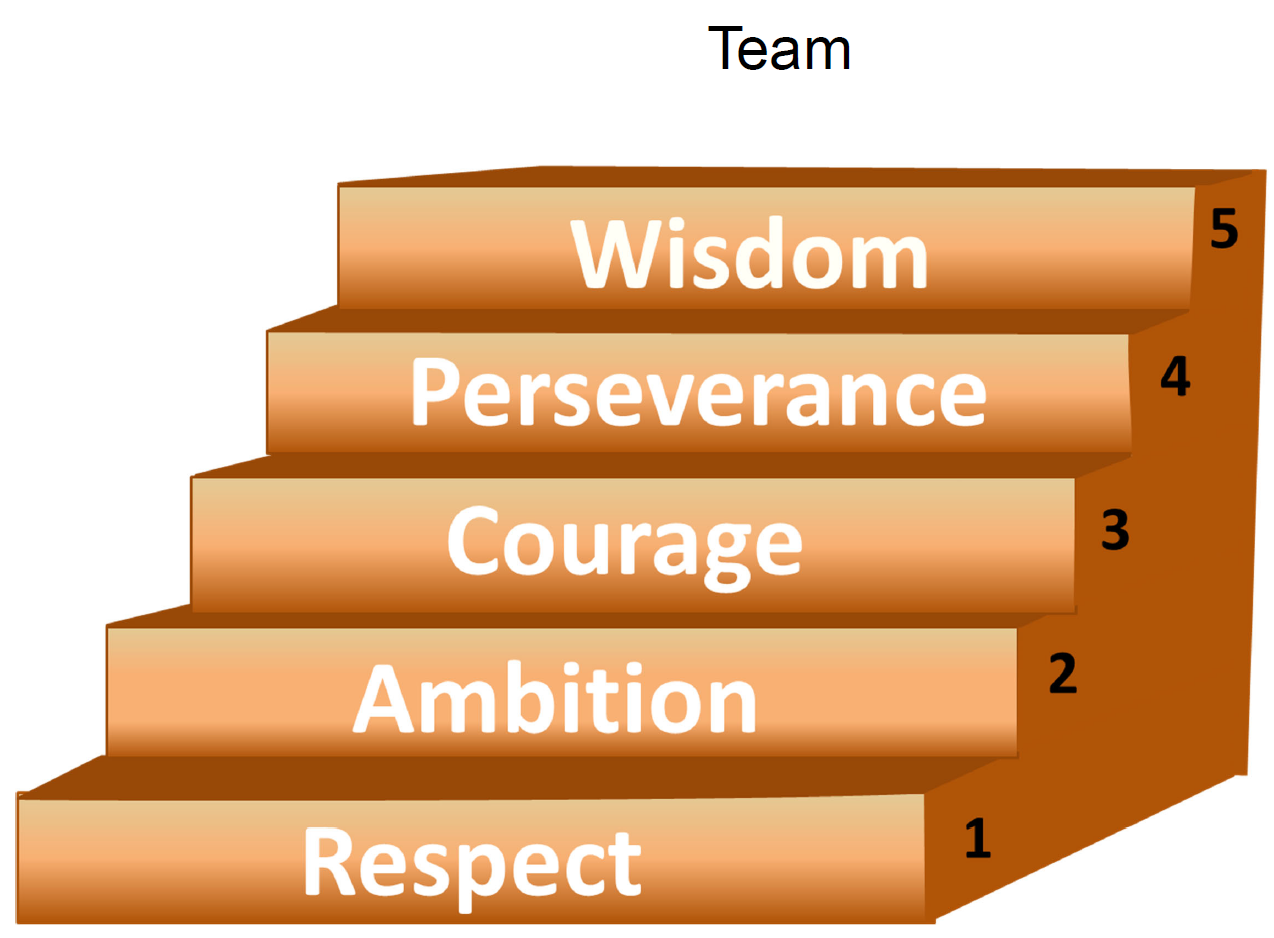
Level 3—Self-Control Behaviors—is where individuals begin to regulate their choices, take responsibility for their contributions, and make decisions that strengthen the team.
At Level 3:
Cognitively, they evaluate, discern, and conclude
Affectively, they express conviction and resolve
Conatively, they commit and target their efforts
A team full of Level-3 performers is dependable. They:
follow through without being micromanaged
communicate clearly and take responsibility
make decisions based on evidence and impact
engage in healthy team conflict and problem-solving
understand and utilize their Kolbe instincts productively
Note: The Dynamynd interview worksheets validate this: Level-3 behaviors are markers of candidates ready to contribute meaningfully to team success—not just take direction, but take initiative.
In other words:
Level-3 team members make teams work.
Why Leaders and Managers Must Operate at Level 4
If Level 3 is about effective contribution, Level 4—Authenticity—is about transformational influence.
Level-4 individuals bring:
Affective: Passion and ethical alignment
Conative: Purpose and resolve
Cognitive: Persuasion and discernment
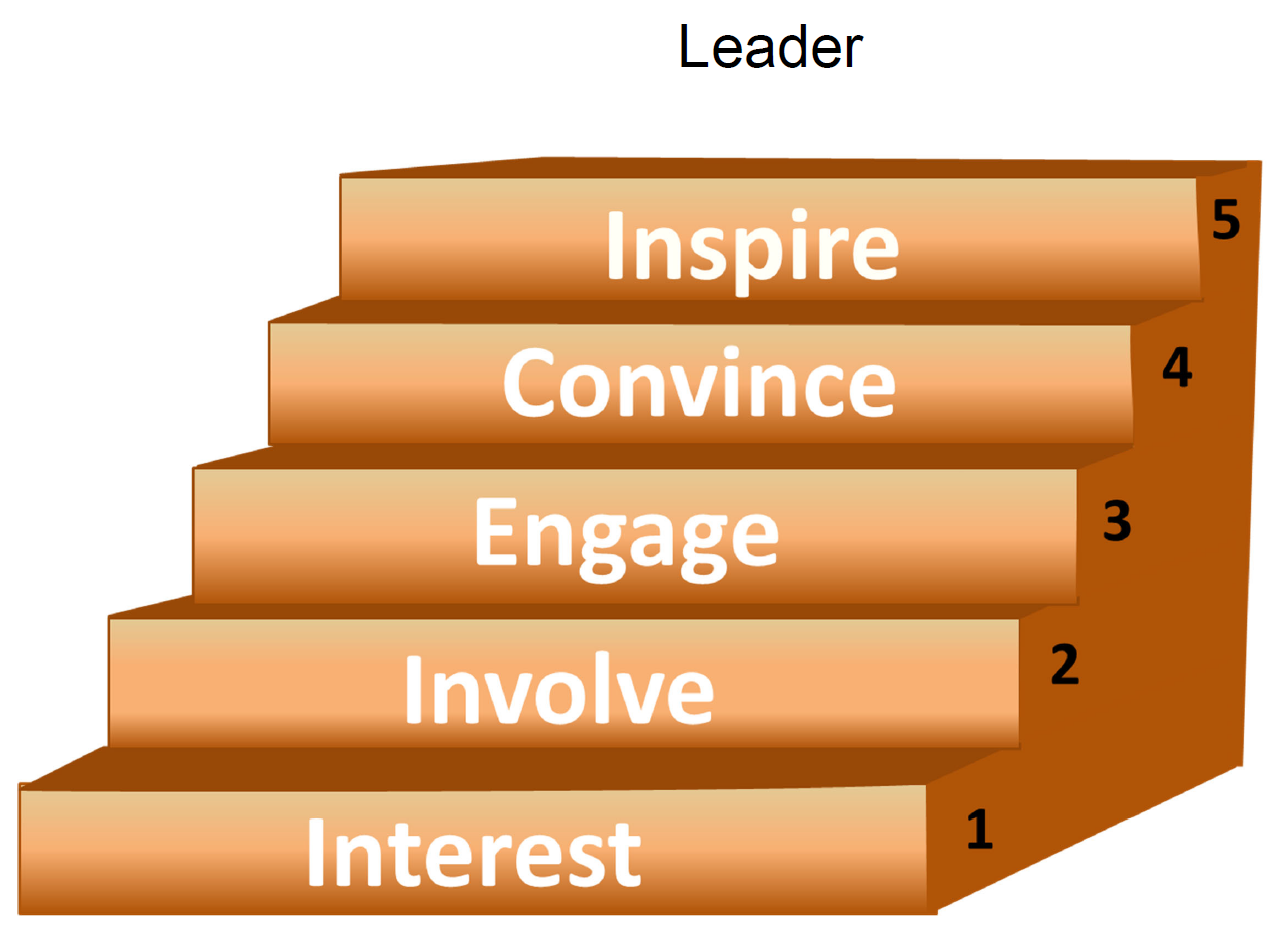
These behaviors mirror the Leader Staircase shown in the Hierarchy of Human Effort team visuals:
Level 1: Interest
Level 2: Involve
Level 3: Engage
Level 4: Convince
Level 5: Inspire
Level-4 leaders don’t just manage—they influence, align, and mobilize.
They:
guide teams through complexity
articulate compelling purpose
help others elevate to higher levels
establish trust through authenticity
take the long-term, mission-first perspective
Note: The Dynamynd L4 and L5 interview questions reinforce this expectation: purpose, persuasion, influence, alignment with mission, and service to others.
In short:
You cannot build a resilient, high-performing culture with Level-2 or Level-3 leaders.
Level-4 leaders are essential to drive clarity, passion, vision, and follow-through.
The Hidden Risk of Teams With Mixed Levels
When individuals operate at different effort levels, organizational friction develops:
Level-1 employees need supervision
Level-2 employees need validation
Level-3 employees seek autonomy
Level-4 leaders expect commitment and clarity
If leaders are operating at Level 3, teams stagnate. If team members operate at Level 2 or below, leaders resort to constant triage.
Mismatched levels create:
disengagement
miscommunication
inconsistent performance
frustration for high-level performers
cultural instability
This is why both Dynamynd hiring tools and Insight’s team development approach prioritize understanding where each individual currently operates—and coaching them upward.
Using the Hierarchy to Build Teams That Excel
At Insight Strategic Concepts, we see the Hierarchy of Human Effort as a practical roadmap—not a theory.
Here’s how organizations can apply it:
1. Evaluate your team using the three levels
Identify where each person currently operates cognitively, affectively, and conatively.
2. Hire intentionally using Dynamynd tools
The worksheets (L1–L5) are built to uncover a candidate’s level in each mental domain—not through personality tests, but through how they think, act, and choose.
3. Coach people to Level 3
Give team members opportunities to commit, evaluate, and self-direct.
4. Develop leaders to Level 4
Leadership development must cultivate passion, persuasion, and purpose—not just skills.
5. Build a culture that rewards higher-level effort
The cultural staircase on page 7 shows the path from self-awareness to social responsibility—an essential blueprint for organizational culture.
Conclusion: High-Level Effort Builds High-Level Performance
The Kolbe/Dynamynd framework teaches a powerful truth:
Great teams don’t happen by accident—they are built through intention, awareness, and alignment.
When team members operate at Level 3, the organization becomes stable, collaborative, and capable.
When leaders operate at Level 4, the organization becomes purposeful, resilient, and inspired.
And when an entire culture rises toward Level 5, the organization becomes a force for positive impact.
If your goal is to build a team that thrives—not just survives—now is the time to intentionally evaluate and elevate the levels of effort within your people.